

Summerlin vs. Enterprise: 9 Lifestyle Differences That Matter Before You Move
Two neighborhoods can sit on the same side of Las Vegas and still feel like entirely different worlds. If you're weighing Summerlin against Enterprise, you're probably not just asking, "Where can I buy a home?"—you're asking what your days will look like: how you'll commute, where you'll unwind, what weekends will become, and how quickly a place feels like yours. Both areas offer newer housing and easy access to the valley's best conveniences, but the lived experience varies in ways that surprise many buyers.
Below are nine lifestyle differences that tend to matter most once the boxes are unpacked—especially if you're balancing budget, time, outdoor access, and long-term resale goals.
1) Master-planned "story" vs. build-as-you-go energy

Summerlin is known for a cohesive, master-planned feel—neighborhood villages, a consistent look to parks and pathways, and a sense that the community was designed with a long timeline in mind. That can translate into predictable streetscapes, well-maintained common areas, and a "finished" atmosphere in many pockets.
Enterprise often feels more in motion. Development is active, and your immediate surroundings can change quickly as new communities, retail nodes, and road improvements come online. Some buyers love that momentum because it can mean more choice and newer everything; others prefer the settled rhythm of established planning.
2) Outdoor access: Red Rock adjacency vs. wide-open freedom
For people who want the outdoors as a daily habit, Summerlin's proximity to Red Rock Canyon and the western foothills is a major draw. It's easier to build sunrise hikes or quick trail time into a normal weekday because the terrain is simply closer.
Enterprise offers its own version of outdoor living—often centered on neighborhood parks, larger-lot communities, and quick drives to a variety of valley recreation spots. The vibe can feel less "at the edge of the mountains" and more "space to breathe," especially in areas with newer trail networks and broader streets.
3) Commute patterns and where your errands naturally land
Before choosing, map your most common trips: work, school drop-off, gym, grocery, and the places you go when you're not thinking. Summerlin tends to orbit around its village centers and retail corridors, so many residents keep errands local and repeat the same efficient loops.
Enterprise can be a little more "choose your own adventure," with daily routes depending on whether you lean toward the Strip corridor, the southwest, or the airport-side of town. If you travel frequently, the general direction and access to major arterials may tilt the decision.
4) Home styles and lot feel: curated variety vs. newer-build spread
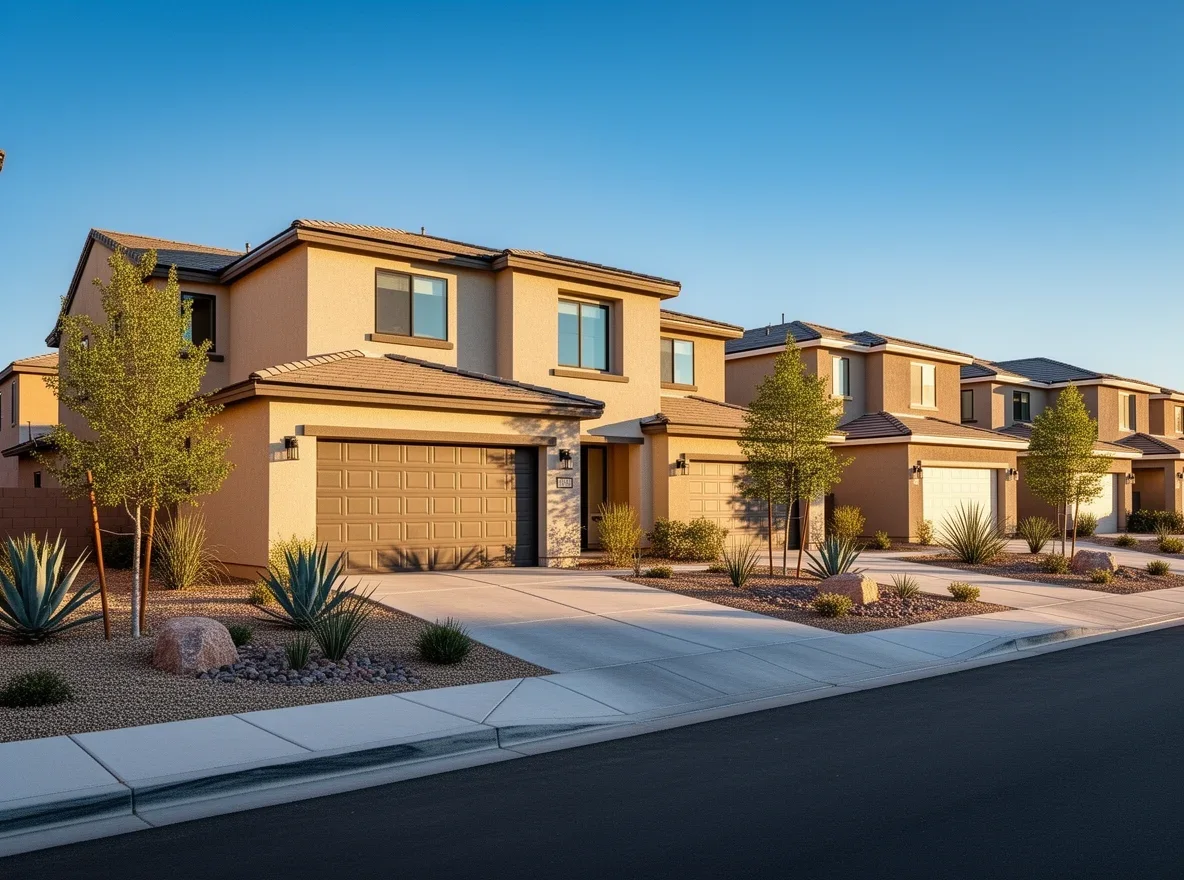
In Summerlin, you'll see a broad mix—from condos and townhomes to luxury enclaves—with neighborhoods that often have strong identity and consistent architectural guidelines. That can be a plus if you value a polished streetscape and neighborhood continuity.
Enterprise is frequently associated with newer tracts and a wide range of floor plans that prioritize modern living: open kitchens, flexible lofts, and energy-efficient features. Depending on the specific pocket, you may find more opportunity for "new home smell," bigger garages, and layouts that suit multigenerational living or work-from-home setups.
Practical tip: look beyond the listing photos and consider the everyday lot experience—backyard depth, privacy lines, and how close you are to through-streets or future development parcels.
5) Amenities and HOA expectations
Summerlin's amenity network—parks, trails, community spaces, and well-known recreational facilities—can be a deciding factor for buyers who want a built-in lifestyle. The tradeoff is that HOA structures can be layered depending on the neighborhood, and design rules may be tighter.
Enterprise can range from communities with resort-style pools and playgrounds to neighborhoods with simpler common areas and fewer restrictions. If you're sensitive to monthly costs or want more flexibility with exterior changes, Enterprise may offer more options—though it varies widely by subdivision.
6) Community character: "village" rhythm vs. neighborhood-by-neighborhood personality
Summerlin often feels like a series of connected villages: you get pockets with their own parks and paths, but they tie back into a larger identity. That can make it easier to meet neighbors at recurring events, sports leagues, or outdoor activities.
Enterprise's character is more patchwork in a good way—different communities can feel distinct depending on build year, density, and proximity to major corridors. Buyers who like discovering their own favorite spots and building routines from scratch tend to thrive here.
7) School considerations and daily logistics
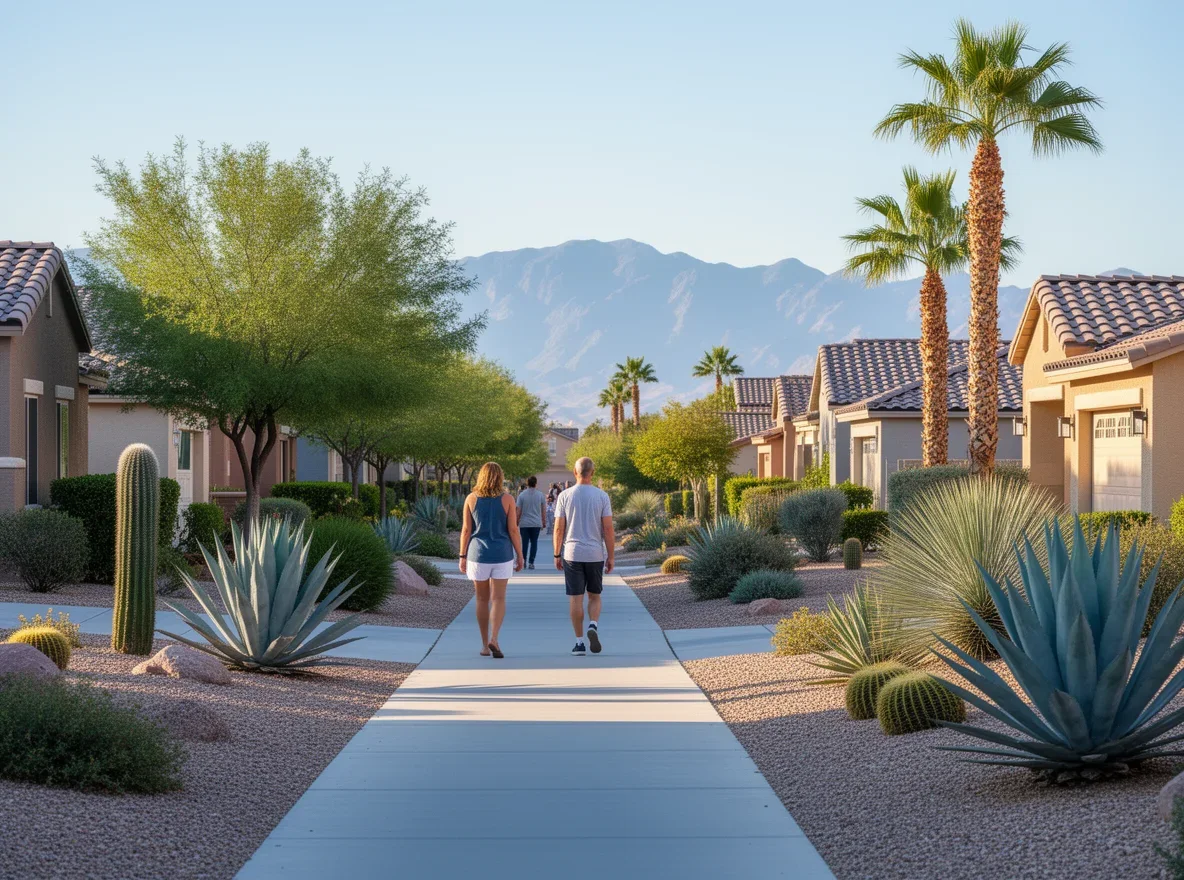
School preferences are deeply personal, and the right answer depends on the child and commute tolerance as much as anything else. What tends to differ is the logistics: in Summerlin, many families prioritize walkability to parks and a routine that stays close to home. In Enterprise, families often weigh newer housing options against drive times and the convenience of nearby youth sports fields, after-school activities, and childcare.
Instead of relying on general reputations, tour campuses if you can, ask about programs that fit your needs, and test the drive at the time you'd actually be on the road. The "school fit" question is as much about your day-to-day flow as it is about any rating.
8) Dining and entertainment: curated hubs vs. quick access across the southwest
Summerlin is closely associated with polished entertainment hubs and an easy "date night without leaving the area" lifestyle. You'll often find that your social calendar naturally stays west because you have plenty of options nearby for meetups, movies, and outdoor gatherings.
Enterprise residents frequently enjoy the flexibility of being close to multiple corridors, which can make it feel easy to bounce between different parts of the valley depending on the occasion. If you like variety—new places opening, different weekend routines, and a broader radius—Enterprise can match that energy.
9) Real estate market feel: established demand vs. growth and opportunity
Summerlin's market is often supported by brand recognition, master-planned appeal, and consistent buyer demand. That can help with resale confidence, especially in neighborhoods with strong amenities and limited turnover.
Enterprise can appeal to buyers who want newer construction and a sense of future upside as infrastructure and retail continue to mature. It's also a common choice for shoppers trying to maximize space, features, or a modern layout while staying in the southwest valley.
Either way, price is only part of the story—pay attention to HOA layers, tax differences, lot premiums, and nearby development plans that could affect noise, traffic, or views.
Choosing the one that fits your daily life
The best move is the one that supports the way you actually live: your weekday schedule, your weekend hobbies, your tolerance for change, and the atmosphere you want when you pull into the driveway. If you're torn, try this: spend an hour in each area at the same time of day you'll normally be out—do a grocery run, visit a park, and drive the route you'd take to work. The answer usually becomes obvious in the details.
If you'd like a tailored comparison based on your budget, commute, and "must-have" features, RE/MAX CENTRAL and Lori Galarza can help you narrow the map quickly—so you're not just choosing a house, you're choosing a lifestyle you'll enjoy long after move-in day.