
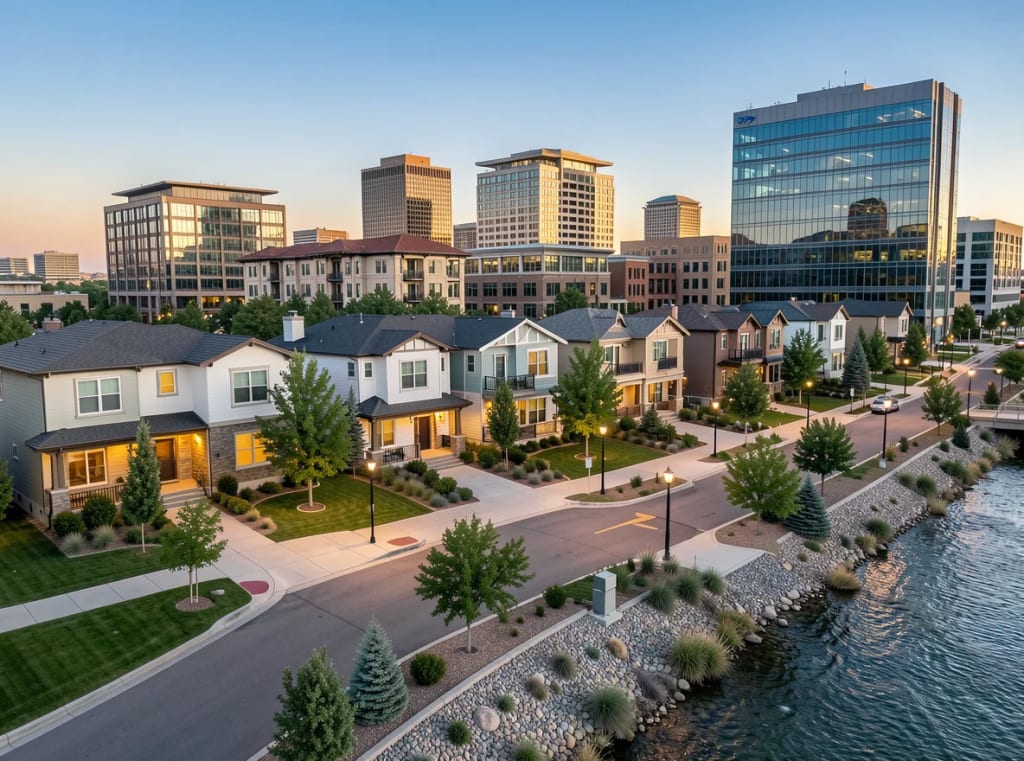
Spring Valley Home Values: Why One Block Can Outperform the Next
Anyone who's watched Spring Valley home values closely knows the "zip code average" only tells a small part of the story. In Las Vegas, two houses that look similar on paper can sell thousands (sometimes tens of thousands) apart simply because of what surrounds them. The surprise for many buyers and sellers is that price movement is often driven by street-level details: traffic patterns, lot shape, micro-amenities, and even how a neighborhood feels at 7 p.m. on a weekday. If you want to price with confidence—or buy without overpaying—this is where the real insight lives.
Micro-markets: the hidden layer beneath the neighborhood name
Spring Valley is often described as a convenient, central-feeling part of the Las Vegas Valley with a mix of established subdivisions, shopping corridors, and easy access to the Strip and major employment areas. But inside that broad description are dozens of "micro-markets" that buyers react to quickly: a pocket with wider streets and mature trees, a subdivision where homes back to a wash, or a cluster near a well-maintained park. These differences can change how quickly homes go under contract, how many offers show up, and how much negotiation is needed after inspections.
Street-to-street pricing can also be influenced by buyer psychology. Many buyers can't articulate why one street feels better than another, but they feel it: quieter evenings, less cut-through traffic, more consistent curb appeal, and a sense of cohesion in how homes are cared for. Those impressions show up in showings, in offer strength, and in appraisal outcomes—especially when multiple comparable sales exist and the appraiser must decide which ones truly match.

What actually moves value on a block-by-block basis
Not all "location" is equal. Within a single subdivision, buyers often pay a premium for properties that reduce everyday friction—less noise, easier parking, better privacy, and a more pleasant approach to the front door. In Spring Valley, these factors commonly create price separation:
- Traffic and street function: A home on a quiet interior street may sell higher than a similar home on a busier connector road where cars move faster and parking is tighter.
- Corner lots vs. mid-block lots: Corner lots can offer extra space and separation, but they can also mean more exposure, more sidewalk, and different fence lines—pros and cons that affect buyer demand.
- Backyard adjacency: Backing to a wall, a wash, or a greenbelt can change privacy and noise levels. Even a subtle difference—like distance to a cross street—can matter.
- Power lines, lighting, and sightlines: These are easy to overlook online but become decisive during an in-person visit.
- HOA presence and standards: Neighborhoods with consistent maintenance and guidelines often feel more "uniform," which can support value even when the homes are similar in size and age.
These are the levers that create "street premiums," and they can persist even when the overall market shifts. When inventory rises, buyers get pickier and these street-level advantages matter more. When inventory is tight, the spread can narrow—but it rarely disappears.
Condition, layout, and the improvements that appraise (and those that don't)
Two homes can share the same floor plan and still land in different price brackets because of updates, upkeep, and how the home lives day-to-day. In Spring Valley, buyers often respond strongly to turnkey condition—fresh paint, cohesive flooring, updated lighting, clean landscaping, and kitchens/baths that feel current. That doesn't always mean full remodels; it often means thoughtful, consistent choices that make the home feel cared for.
But value is not the same as cost. Some upgrades are emotional (buyers love them) but don't translate cleanly into appraisal support. Others are "quiet wins" that improve inspection outcomes and reduce repair requests. A smart pricing and prep strategy balances both—especially if you're aiming for a smooth escrow rather than a headline price that falls apart under scrutiny.
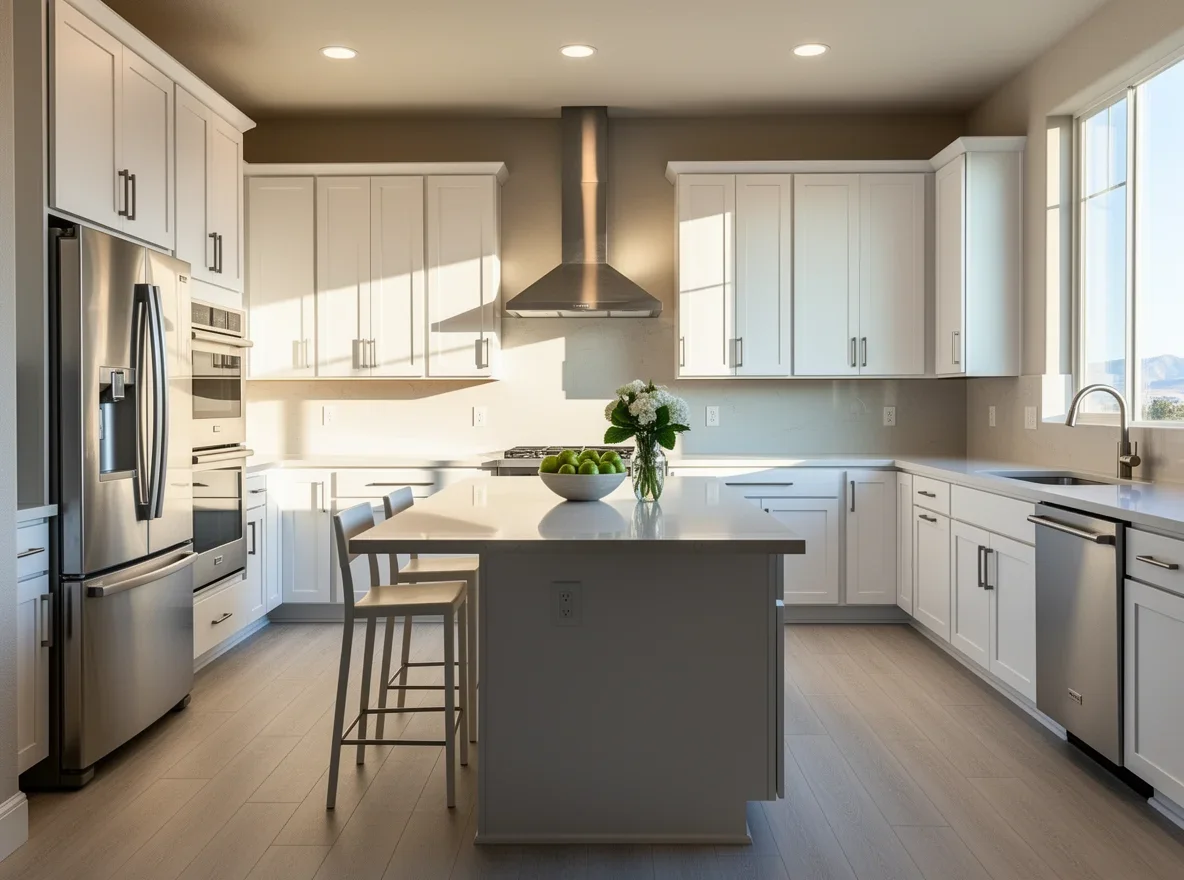
Layout also plays a bigger role than many sellers expect. Open living areas, functional bedroom separation, and storage can elevate perceived value even if square footage is similar. Conversely, awkward transitions, low natural light, or a choppy footprint can soften demand. In competitive price ranges, the "feel" of the home often decides which listing gets the strongest offer, not the difference between 1,950 and 2,020 square feet.
For sellers, that's good news: you can influence the story buyers experience. Lighting, staging, and a clear plan for minor repairs can move your home into the "easy yes" category. For buyers, understanding these value drivers helps you decide when to pay for condition and when to negotiate for it.
Amenities, schools, and everyday convenience: the lifestyle layer of pricing
Spring Valley's appeal is tied to convenience—commutes, shopping corridors, recreation, and proximity to major destinations. Yet even within the area, "convenience" means different things depending on the pocket. Being closer to parks, community facilities, and well-traveled routes can add desirability, while being too close to constant traffic can do the opposite. The sweet spot is often a location that feels tucked away while still being a short drive from the places you go weekly.
School zoning and perceived school quality can also influence demand, even among buyers without children. Many buyers track it as a proxy for neighborhood stability and resale potential. Meanwhile, recreation—walking paths, sports courts, and well-maintained open space—creates a daily lifestyle benefit that buyers will pay for, particularly when the home itself doesn't have a large lot.
Dining and entertainment are part of the story too, but what matters most is the pattern of living: how quickly you can get to errands, how your evenings feel coming home, and whether the neighborhood supports the routines you actually have. Those intangibles are often the real reason one micro-pocket becomes "hot" while another stays steady.
How a hyper-local approach protects both buyers and sellers
For sellers, pricing off the nearest three sales without adjusting for street function, lot placement, and condition can lead to a listing that sits—then requires reductions that feel frustrating and public. For buyers, relying on broad averages can mean offering too much for a compromised location or missing a strong value because the home needs cosmetic work. The most reliable strategy is to compare homes the way buyers experience them: as substitutes. If a buyer touring your home could easily choose another listing two streets over, your pricing and presentation must win that comparison.
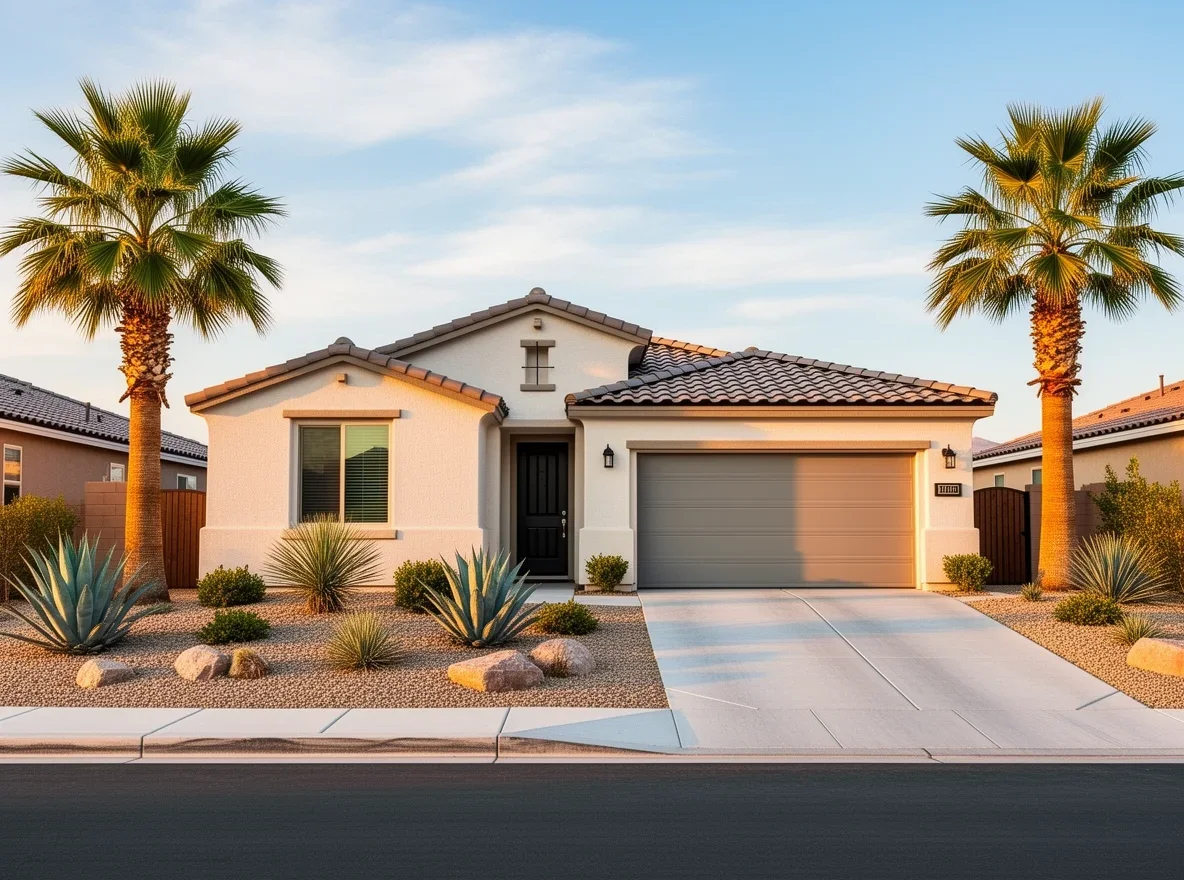
At RE/MAX CENTRAL, Lori Galarza approaches Spring Valley pricing with a client-focused lens: pairing market data with on-the-ground context that doesn't show up in a spreadsheet. That means looking beyond zip code trends to assess what your specific street is signaling—days on market, buyer traffic, condition expectations, and the kinds of features currently earning a premium.
Bottom line: Spring Valley home values are shaped by micro-decisions buyers make every day—about noise, privacy, convenience, and confidence in the home's condition. When you understand what moves prices street-to-street, you can list with fewer surprises, negotiate from a stronger position, and make choices that fit your lifestyle and long-term goals.
If you're planning to buy or sell in Spring Valley, focus on the block, not just the map pin. The difference between "priced right" and "priced to sit" is often only a few turns away.